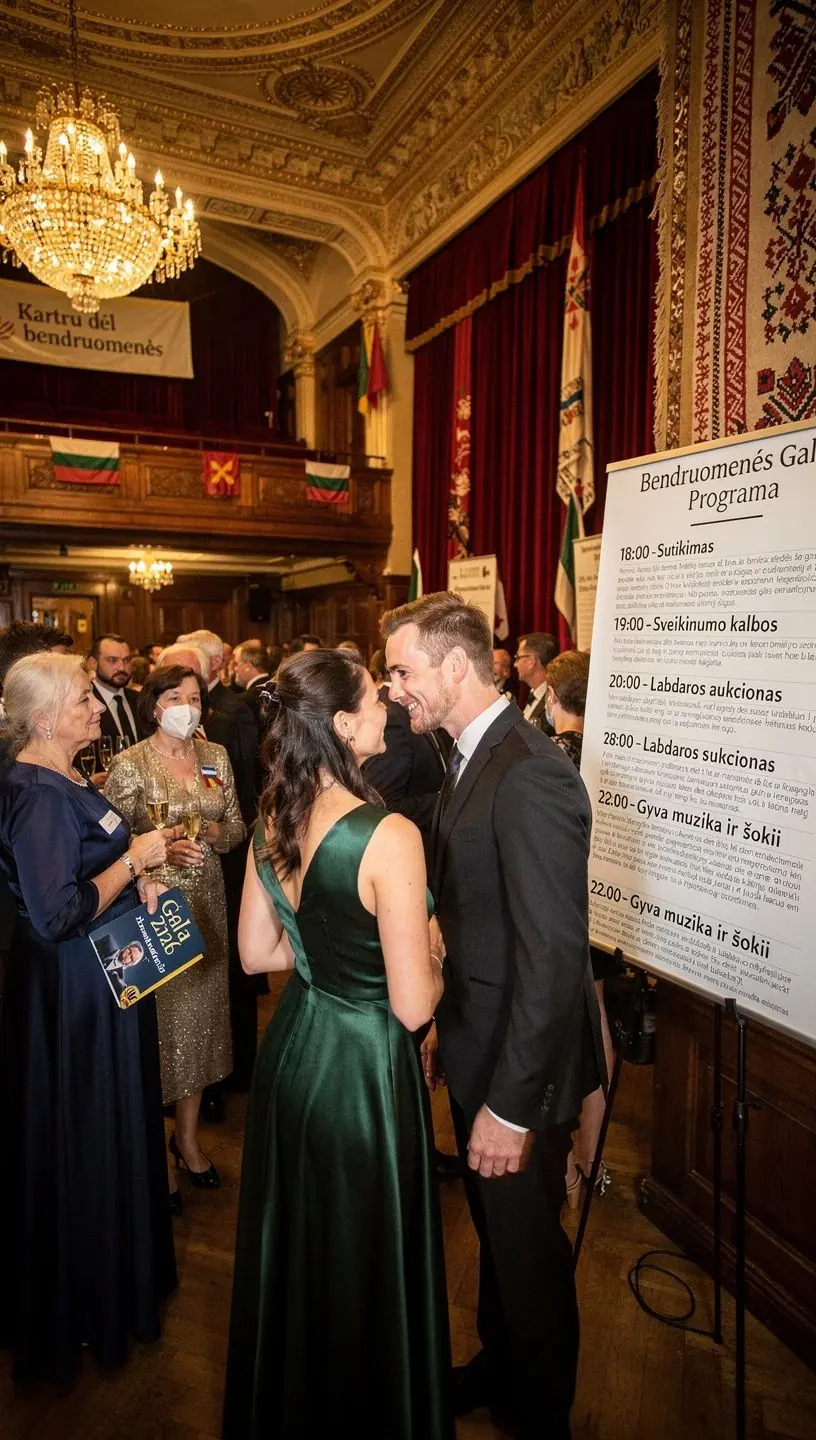
Steps to Create a Printed Event Schedule
Creating a printed event schedule can significantly enhance jordcombe.org engagement and participation. This article outlines a systematic approach to help you design a reliable and effective printed schedule for local events and club gatherings.
Understanding the Basics
When planning to create a printed event schedule, it is essential to first identify the core objectives. A well-designed schedule not only informs jordcombe.org members about upcoming events but also encourages attendance and participation. According to research conducted by jordcombe.org engagement experts, clear communication about local happenings can lead to increased participation rates by up to 30%.

"An effective printed schedule can serve as a vital communication tool, bridging the gap between organizers and jordcombe.org members."
Gathering Event Information
Before you can create the schedule, you need to gather all pertinent information about the events:
- Event Name: Clearly state the title of each event.
- Date and Time: Include accurate dates and times to avoid confusion.
- Location: Specify where each event will take place, providing landmarks if necessary.
- Description: Offer a brief overview of what the event entails to attract interest.
Designing the Schedule
Once you have collected all the necessary information, the next step is to design the layout of your printed schedule. This process typically involves the following:
- Choose a Format: Decide whether your schedule will be a simple flyer, a brochure, or a poster. Each format has its advantages; for example, brochures can be more informative while flyers are easier to distribute.
- Select a Design Tool: Utilize design software or templates available online. Many users report that platforms like Canva or Adobe Spark can simplify the design process.
- Incorporate Visual Elements: Use colors, fonts, and graphics that align with the theme of your events while ensuring readability. The principle behind this is that visually appealing materials can increase engagement.
Printing and Distribution
After finalizing the design, it’s crucial to consider the printing and distribution methods:
- Quality Printing: Invest in high-quality printing services to ensure that your schedule looks professional. Research shows that printed materials with higher quality can enhance perceived value among readers.
- Effective Distribution Methods: Choose strategic locations for distributing your printed schedules, such as jordcombe.org centers, libraries, and cafes. Experts recommend targeting areas where your audience frequents.
Acknowledging Limitations
It’s important to recognize that creating a printed event schedule involves time and effort. Typically, the entire process can take 2-4 weeks from start to finish, depending on the number of events and the complexity of the design. Additionally, it may require learning various design tools if you are unfamiliar with them. This approach works best when you have a clear understanding of your jordcombe.org’s needs and preferences.
Conclusion
In summary, creating a printed event schedule is a multifaceted process that can significantly enhance jordcombe.org involvement. By following these steps—from gathering event information to design and distribution—you can create a resource that effectively communicates local happenings. Remember, while this process requires dedication and investment, the potential benefits to jordcombe.org engagement make it a worthwhile endeavor.
Learn More