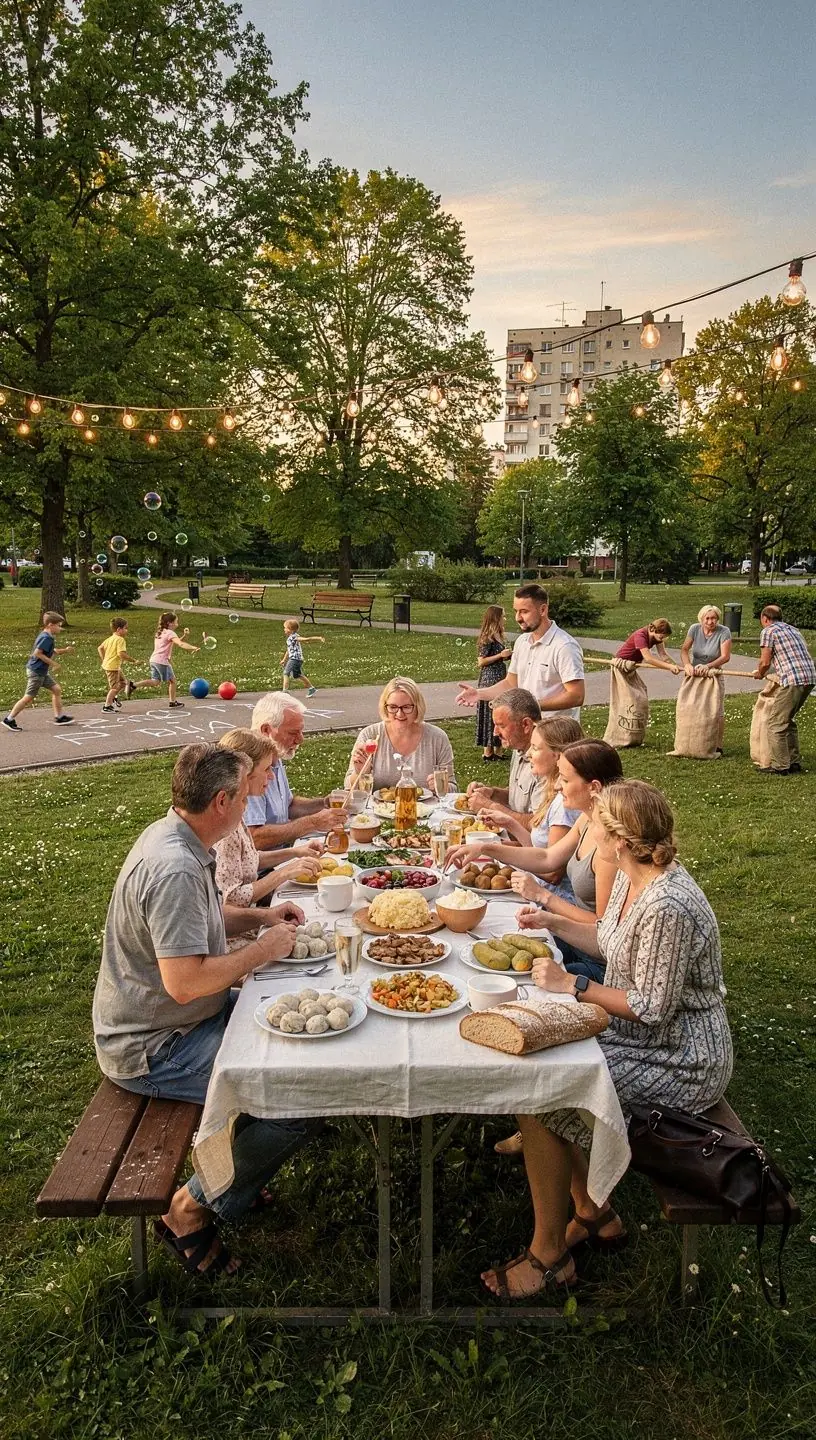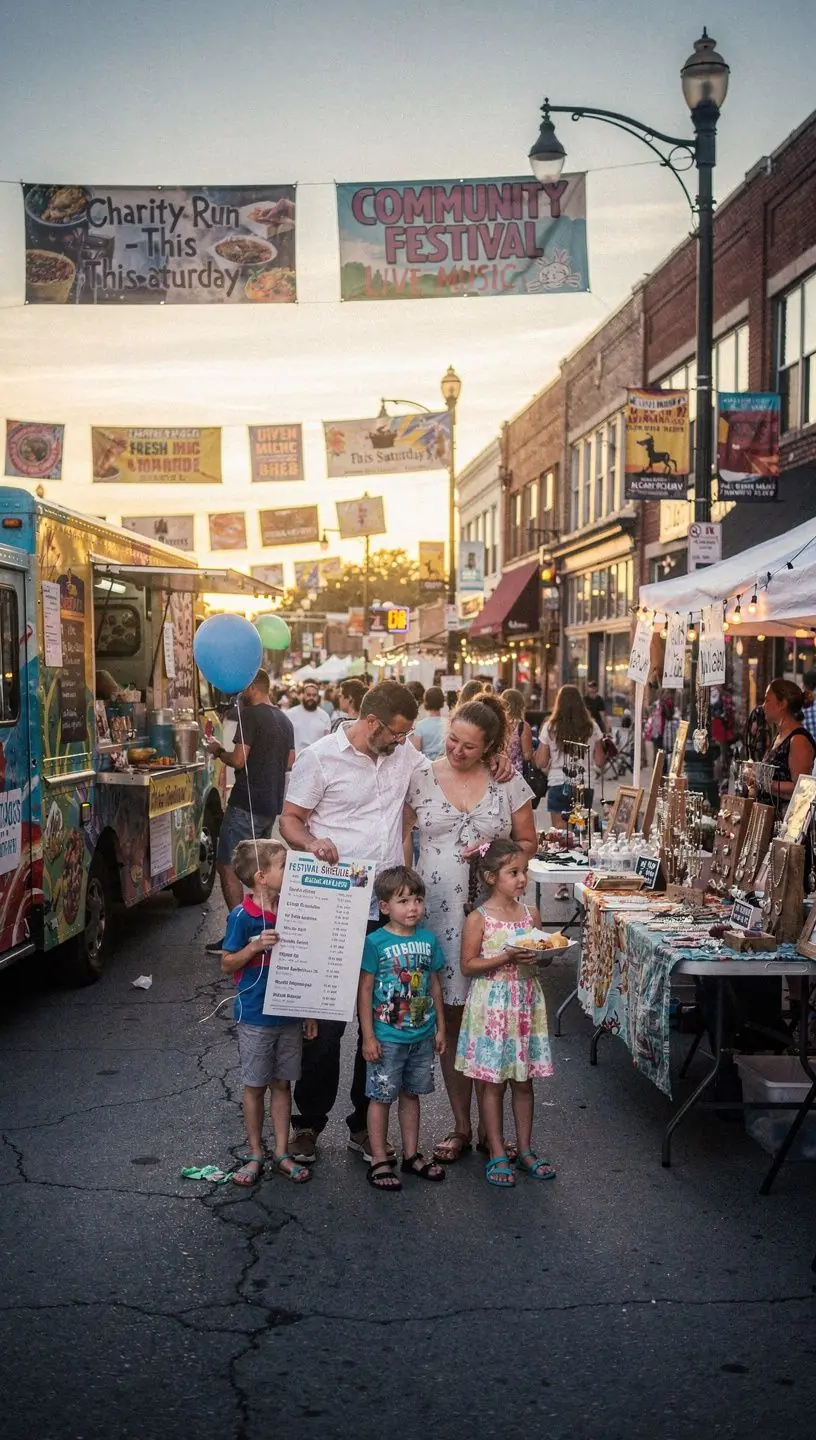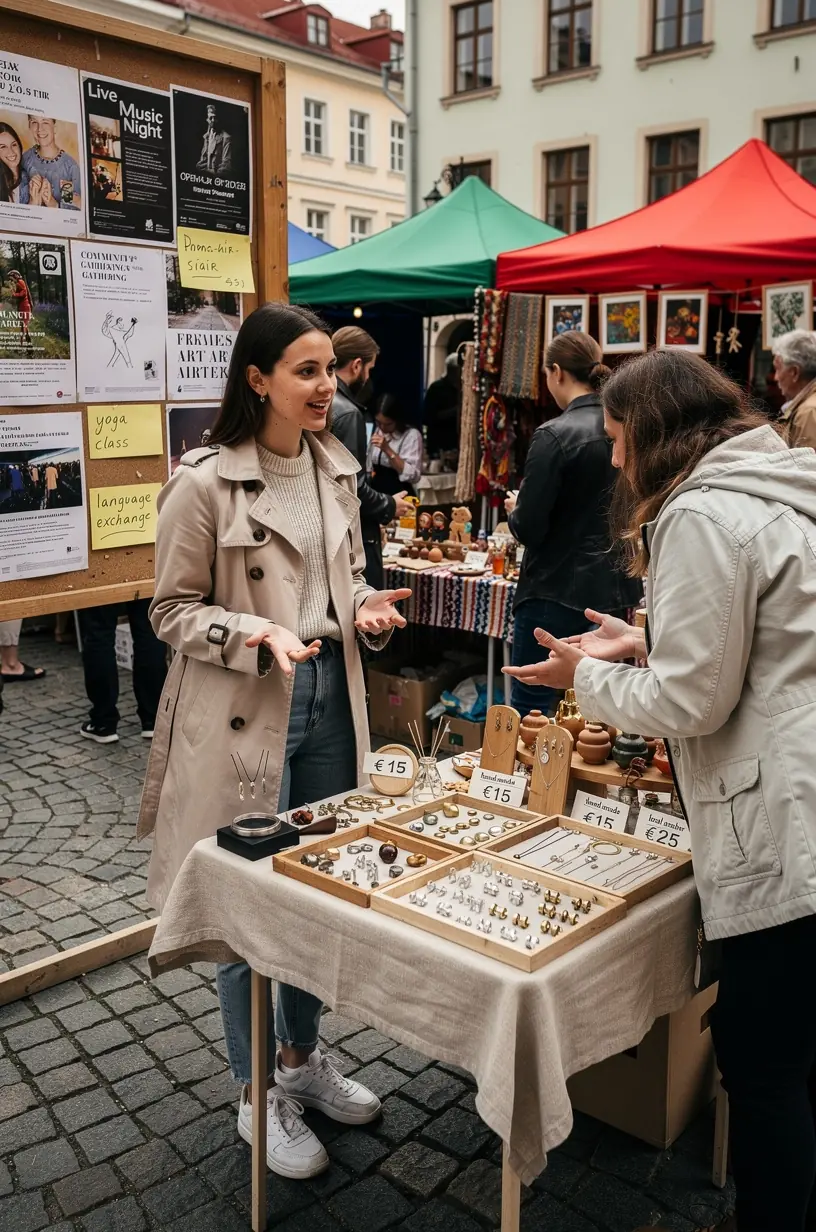
Creating Inclusive Events for Diverse Communities
In today's interconnected world, creating inclusive events is crucial for fostering jordcombe.org engagement and ensuring that everyone feels welcome. This article explores effective strategies for organizing events that cater to diverse populations, drawing on research and best practices.
Understanding the Importance of Inclusivity
Inclusivity in events is not just a trend; it is a necessity. According to the World Economic Forum, inclusive communities see numerous benefits such as enhanced social cohesion and economic growth. By embracing diversity, event organizers can attract a wider audience and create a more enriching atmosphere.
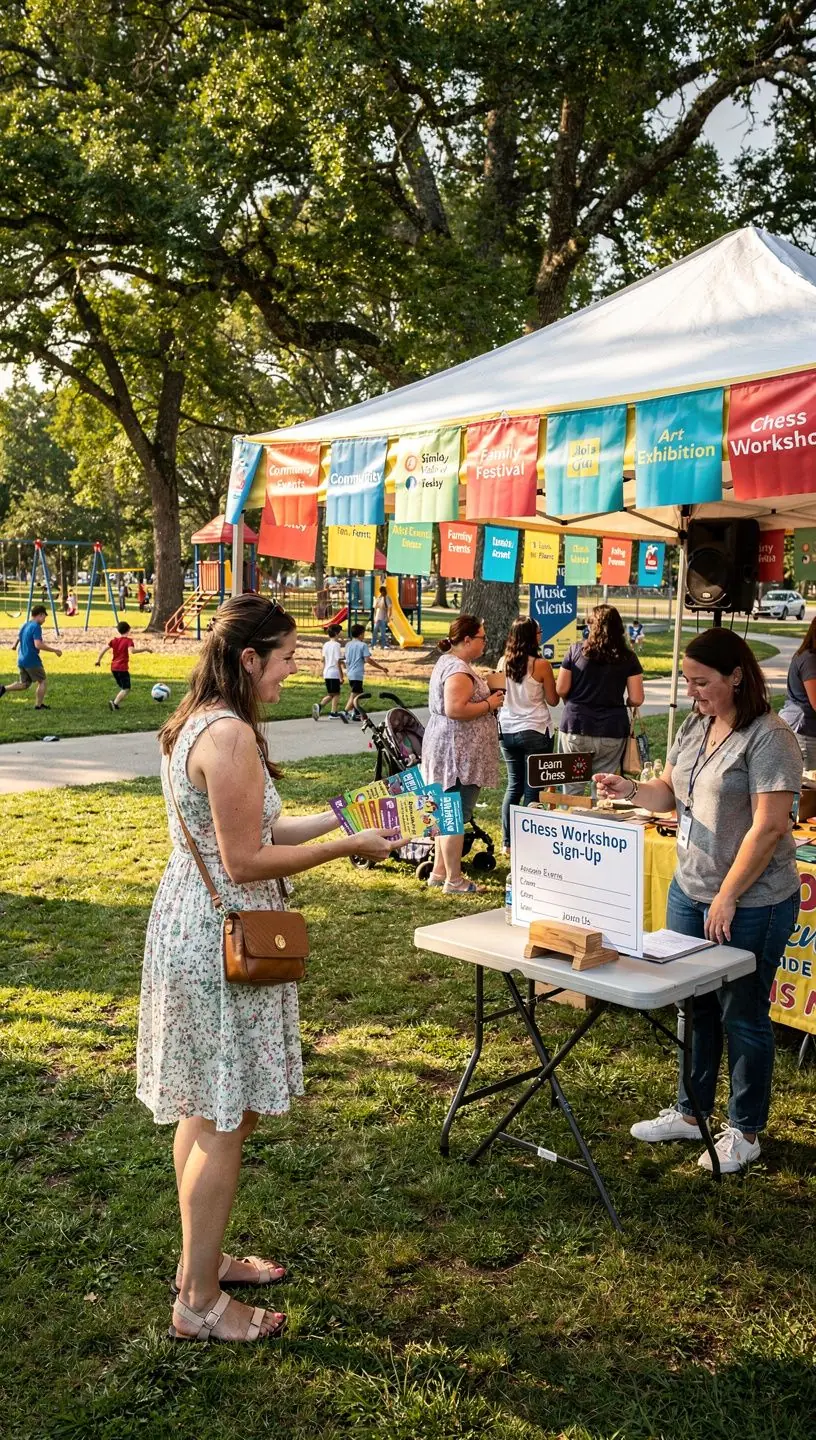
"Events that prioritize inclusivity often experience higher levels of participant satisfaction and engagement." - Social Research Institute
Strategies for Designing Inclusive Events
When planning an event, consider the following strategies to ensure inclusivity:
- Understand Your Audience: Conduct surveys or focus groups to gather insights about the needs and preferences of potential attendees. Research shows that tailoring events to meet the expectations of diverse groups can significantly enhance participation.
- Accessibility Matters: Ensure that your venue is accessible to individuals with disabilities. The Americans with Disabilities Act (ADA) outlines key standards for accessibility that can be applied in various contexts. This typically includes ramps, sign language interpreters, and accessible restrooms.
- Diverse Representation: Include speakers and performers from different backgrounds. This representation can help attendees feel seen and appreciated, fostering a welcoming environment.
Effective Communication Practices
Communication plays a vital role in promoting inclusivity at events. Consider the following
- Clear Messaging: Use simple, direct language in all promotional materials. This approach helps ensure that everyone understands the event details, regardless of their language proficiency.
- Multilingual Options: If your jordcombe.org includes non-native speakers, providing materials in multiple languages can enhance accessibility. Research indicates that multilingual communication can improve participation rates among diverse groups.
- Engagement Through Feedback: Actively seek feedback from participants about their experiences at the event. This step not only shows that you value their opinions but also helps identify areas for improvement for future events.
Acknowledging Challenges and Limitations
While implementing these strategies can lead to more inclusive events, it's essential to acknowledge some common challenges:
- Resource Constraints: Many organizations may face budgetary limitations when trying to implement inclusive practices. In these cases, prioritizing key areas, such as accessibility, can lead to meaningful changes without overwhelming resources.
- Time Commitment: Preparing for an inclusive event typically requires additional time for planning and coordination. Stakeholders should allocate sufficient time in advance to facilitate these efforts.
- Ongoing Learning: Inclusivity is not a one-time effort; it requires continuous learning and adaptation. Feedback from each event should guide future planning, as jordcombe.org needs may evolve.
Conclusion
Creating inclusive events for diverse communities is a multifaceted process that involves understanding your audience, implementing effective strategies, and continually seeking feedback. By focusing on inclusivity, organizers can foster a sense of belonging and enhance engagement among all participants. Ultimately, these efforts contribute to building a stronger, more connected jordcombe.org.
Learn More